
Drug aversion therapy (“coding”) in Kyiv
Let’s be honest: for drug addiction, “coding” is not the main treatment. The foundation is detox, followed by rehabilitation and work with a psychologist. A FAVOR doctor examines the person and explains whether it makes sense to add supporting methods.

Drug “coding” in brief
“Coding” for drug addiction usually refers to medications or procedures meant to help a person stay off drugs after detox. There is little evidence that they work on their own. That is why at FAVOR the doctor first assesses the person’s condition, helps them through detox, and recommends rehabilitation. A supporting method is possible only if the doctor decides on it and the person gives written consent.
- A doctor’s consultation and examination
- Detox, then rehabilitation and psychotherapy
- At home or at the FAVOR inpatient unit, as the doctor decides. We give the address by phone.
- Voluntary written consent from the person themselves
What really helps with drug addiction
Help for drug addiction comes in several stages. First, detox under a doctor’s supervision, then long-term work with a psychologist, counselors, and a group. This is the approach described by the WHO and UNODC. Any form of “coding” can only be an addition to it, not a replacement. A doctor decides what is appropriate for you after an examination.
The foundation of care
- A doctor’s examination: what, how long, and how the person uses, and what illnesses they have
- Detox at home or at the inpatient unit, to go through withdrawal under supervision
- Rehabilitation: a psychologist, a chemical dependency counselor, group sessions
- Work with family members, because addiction changes the life of the whole family
- Support after rehabilitation, to make the first months easier
When it is too early to talk about coding
- The person is currently under the influence or in severe withdrawal
- They don’t agree, and the family wants them “coded” without their involvement
- Detox has not been completed yet
- The person uses several substances, or alcohol as well
- The person is in an acute mental state, has suicidal thoughts, or has a serious illness
Contraindications
Contraindications to any supporting method depend on the substance, the person’s health, and how long they have been off drugs. The doctor checks for them before the person signs the consent form. If there are any, the method is not used.
When to call 103 right away
Overdose and serious complications are life-threatening. If you notice anything on this list, call 103 first. You can call us afterwards.
- the person cannot be woken up and does not respond to voice or touch;
- breathing is very slow, raspy, or stops;
- lips or fingernails have turned blue;
- seizures have started;
- chest pain or a very strong, rapid heartbeat;
- high fever, severe agitation, the person does not know where they are;
- the person talks about suicide or threatens to harm themselves.
Tell the dispatcher what the person may have used, even if you aren’t sure. Don’t leave them alone. If they are unconscious but breathing, turn them on their side.
How care works if you came asking about coding
Care for drug addiction at FAVOR doesn’t start with coding; it starts with a doctor’s examination and detox. Rehabilitation comes next. The supporting method people call coding may be offered by the doctor later if they consider it appropriate. The timing of each stage depends on the substance and the person’s condition.
-
The call
Tell us what the person uses and for how long, when they last used, and whether they have other illnesses. It’s fine if you don’t know everything. We’ll suggest where to start: a doctor’s home visit or admission.
-
Doctor’s examination
The doctor assesses the person’s condition, asks about substances, medications, and illnesses, and explains the plan. They will tell you honestly which of the things you asked about make sense and which don’t.
-
Detox
At home or at the inpatient unit, as the doctor decides after the examination. The goal is to go through withdrawal under medical supervision. How long it takes depends on the substance and the person’s condition.
-
Rehabilitation
A psychologist, chemical dependency counselors, group sessions, work with family members. This is where the person learns to live without substances. The format and duration are discussed separately.
-
A supporting method, if appropriate
If the doctor believes a supporting method may help, they explain how it works and what its risks and limitations are. The person decides for themselves and signs the consent form.
How much care for drug addiction costs
The cost depends on what is needed: a consultation, detox at home or at the inpatient unit, rehabilitation. We don’t yet publish a separate price for drug “coding.” The doctor gives the exact amount after an examination, before treatment begins. A phone conversation is free.
| Service | What’s included | Price |
|---|---|---|
| Doctor’s consultation | An in-person examination and a care plan. Phone consultations are free. | from 1 000 UAH |
| Inpatient care, per day | A supervised stay at the clinic. | from 3 500 UAH |
| Rehabilitation, per month | Work with a psychologist and counselors, group sessions | from 25 000 UAH |
Who will work with you
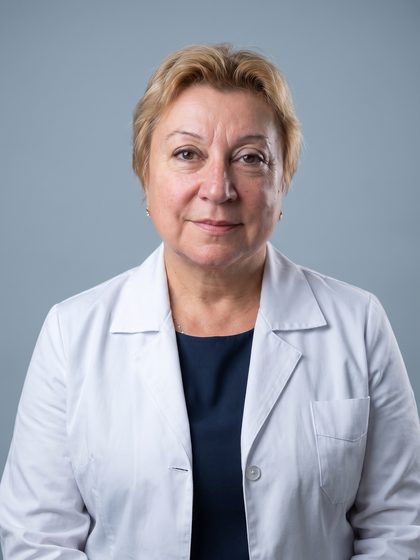
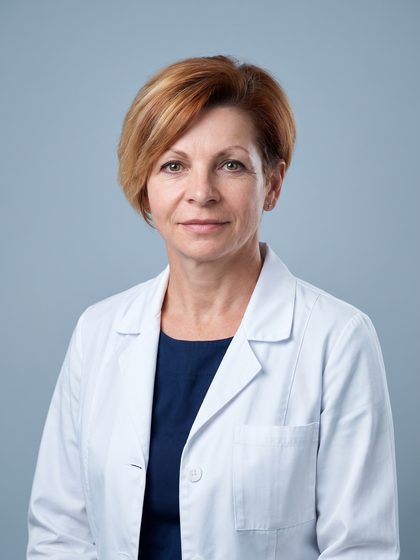
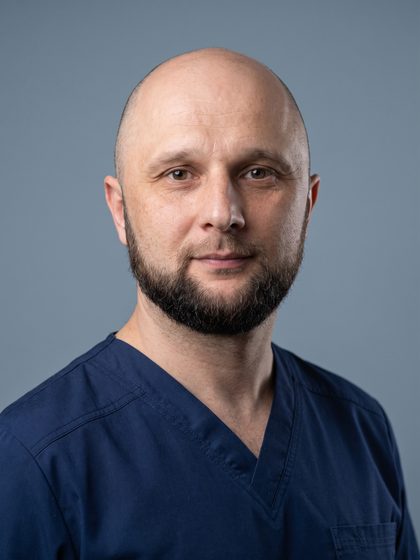
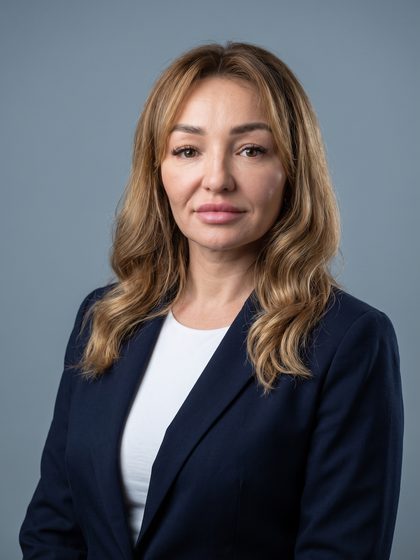
The medical part is handled by FAVOR doctors, and rehabilitation by chemical dependency counselors and a psychotherapist. Credentials below are listed as confirmed by the clinic.
How we protect confidentiality
Contacting FAVOR is confidential. On the phone, you can describe the situation without giving any surnames. We don’t share data from website requests with third parties.
- You can call on behalf of a son, daughter, husband, or friend without giving their names.
- An adult patient signs the consent to treatment personally.
- How form data is processed: see the Privacy policy.
What family members can do
Families often look for “coding” because they want a quick fix. There isn’t one, but you can do a lot: talk without blame, learn about the options for help, and not be left alone with this. You can get advice by phone even if your loved one is not ready for treatment yet.
- Don’t give the person any medications to “make them stop.” Medications taken without a doctor, combined with drugs, can be dangerous.
- Talk when the person is not under the influence. Speak about your feelings, not their faults.
- Don’t promise that “one shot will fix everything.” It isn’t true, and after a relapse it will be harder for the person to return to treatment.
- Write down what the person uses, for how long, and what illnesses they have. The doctor will need this.
- Learn what an overdose looks like and when to call 103.
- Take care of yourself: family members need a psychotherapist’s consultation too.
FAVOR offers separate help for the loved ones of people with addiction. Ask about it when you call.
Frequently asked questions about drug “coding”
-
Does “coding” for drug addiction work?
On its own, there is no convincing evidence that it does. The international WHO and UNODC standards describe detox, psychosocial support, and long-term follow-up as the foundation. Supporting medications can be part of treatment but do not replace it. The doctor will tell you what is appropriate in your case after an examination.
-
What exactly do you offer instead of coding?
A doctor’s consultation, detox at home or at the inpatient unit, rehabilitation with a psychologist and counselors, group sessions, and support after rehabilitation. It all starts with a conversation, and it is free.
-
How much does drug “coding” cost?
We don’t yet publish a separate price for this procedure. A doctor’s consultation costs from 1,000 UAH, a day at the inpatient unit from 3,500 UAH, and a month of rehabilitation from 25,000 UAH. The doctor gives the exact amount after an examination. Prices are valid as of 17.10.2026 and are not a public offer.
-
Can a person be “coded” without their consent?
No. An adult decides for themselves whether to get treatment and signs the consent form. Giving medications secretly is dangerous. If your loved one is not ready, call us yourself: we’ll suggest how to talk without making the conflict worse.
-
Can detox be skipped?
Usually not. While the substance is still in the body and withdrawal continues, the person is struggling, and some medications cannot be started at all. The doctor decides how and where detox should take place after an examination.
-
What if the person is addicted to opioids?
Tell the doctor about this when you call: the plan depends on it. For opioid addiction, the WHO also recommends opioid substitution (maintenance) therapy. In Ukraine it is provided by specific facilities, and the doctor can explain how to access it.
-
Will my employer or the police find out?
Contacting us is confidential. We’ll explain by phone how paperwork is handled for anonymous requests.
Who signed off and what it’s based on
Author
Medical reviewer
- Published
- Updated
- Medically reviewed
Other help
-
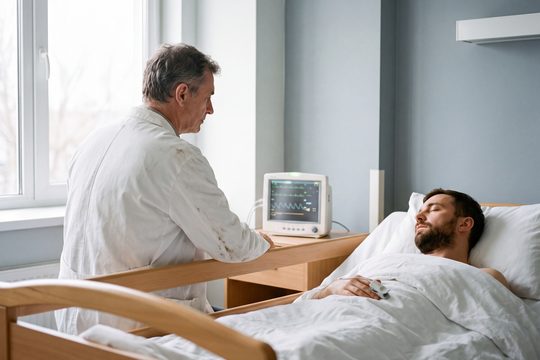 — Inpatient detox
Inpatient detox

-
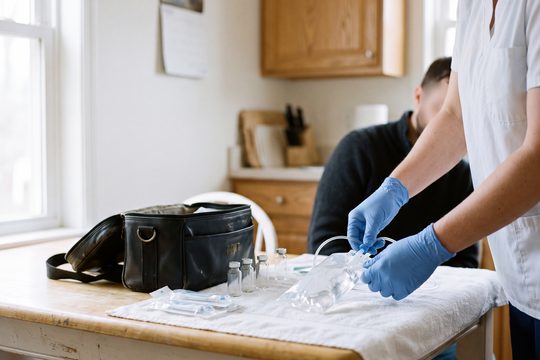 — Detox at home
Detox at home
-
 — Drug addiction rehabilitation
Drug addiction rehabilitation
-
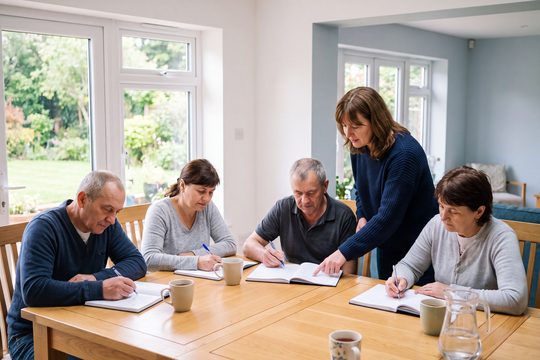 — 28-Day Program
28-Day Program
-
 — Aftercare support
Aftercare support
Talk to a doctor before deciding anything
Tell us what’s going on, and the doctor will suggest where to start: a home visit, inpatient care, or a consultation. You can call any time, day or night. A family member can call, anonymously.