
Drug addiction rehabilitation in Kyiv
After detox, the person goes through a program at the FAVOR rehabilitation center: lives there, works with chemical dependency counselors and a psychotherapist, and learns to live without substances. It all starts with a consultation and voluntary consent.

Drug addiction rehabilitation at a glance
Drug addiction rehabilitation is a social and psychological recovery program that begins after detox. At the FAVOR center, the person lives on site, works with counselors and a psychotherapist one-on-one and in a group, and prepares to return home. Families get separate support. The program does not start without the person’s own consent.
- FAVOR rehabilitation center in Kyiv. We’ll give you the address by phone
- Chemical dependency counselors, psychotherapist
- Consultation and, if needed, detox
- from 25,000 UAH per month
When rehabilitation can start, and when detox comes first
Rehabilitation starts when the person has completed detox, is physically stable and agrees to the program of their own accord. If they are using now or have withdrawal symptoms, detox under a doctor’s supervision is needed first. Whether the person is ready for the program is decided at a consultation and, if needed, after an exam by an addiction doctor or psychiatrist.
Rehabilitation can start when
- Detox is complete and withdrawal symptoms have passed
- The person agrees to live at the center and work with specialists
- They have tried to stop before, but relapses keep happening
- They are ready to talk about what’s going on with at least one specialist
Detox or treatment comes first when
- The person is using now or has used in the last few days
- The person has withdrawal symptoms: pain, insomnia, anxiety, sweating, strong cravings
- They use several substances at once, or combine them with alcohol or sedatives
- They are in an acute mental state: confusion, delirium, aggression
- They have serious illnesses that need treatment, including infectious ones
When the start of rehabilitation is postponed
Rehabilitation is a social and psychological service, not medical treatment, so acute conditions are treated by doctors first. The state standard provides that, with the person’s consent, a psychiatrist takes part in the assessment to rule out acute mental conditions.
When to call 103, not the center
Some conditions after drug use are life-threatening. If you notice anything on this list, call an ambulance first.
- the person is unconscious or can’t be woken up;
- breathing is very slow, raspy or has pauses, lips are blue;
- pupils are pinpoint and the person doesn’t respond;
- seizures have started;
- the person sees or hears things that aren’t there, behaves aggressively or panics;
- they talk about suicide, say goodbye or threaten to harm themselves.
Don’t leave the person alone. If they are lying down and vomiting, turn them on their side. When there is no immediate danger but suicidal thoughts won’t go away, free psychological support lines are listed on the website of the “Ty yak?” (How are you?) program: howareu.com.
How rehabilitation at FAVOR works
Drug addiction rehabilitation at FAVOR follows a sequence: a call, a consultation and detox if needed, a plan, the program at the center and support afterwards. Timeframes depend on the substance, the person’s condition and how the work goes. The phone call is free and doesn’t commit you to anything.
-
Call
Tell us what substance the person uses and for how long, whether they’ve tried to stop, and how they feel now. It’s fine if you don’t know something. Family members can call.
-
Consultation and detox
A specialist assesses the person’s physical and psychological state, the level of addiction and the family situation. If the person is still using, inpatient detox is offered first. A consultation at the center costs from 1,000 UAH.
-
Individual plan
The plan is drawn up together with the person: what they will work on, with whom and for how long. Under the state standard, the plan is agreed with the service recipient no later than five working days after the assessment.
-
The program at the center
The person lives at the center. Chemical dependency counselors and a psychotherapist work with them one-on-one and in a group, and family members are invited to family sessions. Living arrangements are described on the “Accommodation” page.
-
After the program
Before discharge, a plan for the first weeks at home and in case of relapse is drawn up together. After that, the person can attend consultations and groups: aftercare support.
What social and psychological rehabilitation includes
In Ukraine, the content of this kind of rehabilitation is set out in a state standard of the Ministry of Social Policy (Order No. 677 of 01.10.2020). The program is run by a team of at least three specialists, the plan is tailored to the individual, and the service is provided only with the person’s informed consent. Below is what a program usually includes.
- Needs assessment: condition, substances, risks, family situation, housing and work.
- Individual counseling with a counselor and a psychotherapist.
- Group sessions where people with similar experience discuss difficulties and progress.
- Relapse prevention: how to recognize risky situations and what to do when the urge to use hits.
- Social skills: daily living, communication, finding work or study.
- Psychological help for family members.
- At FAVOR, counselor Tamara Zyma also uses art therapy and metaphorical associative cards.
How much drug addiction rehabilitation costs
A month of rehabilitation at the FAVOR center costs from 25,000 UAH. The final amount depends on the length of the program, whether detox is needed, and what the program includes. We quote it after the consultation, before the contract is signed.
| Service | What’s included | Price |
|---|---|---|
| Consultation at the center | Assessment, discussion of detox and the program | from 1 000 UAH |
| Inpatient stay before rehabilitation, per day | Detox under a doctor’s supervision, if the person is still using | from 3 500 UAH |
| Rehabilitation, per month | Residential stay, individual and group work, family sessions. | from 25 000 UAH |
Who runs the program
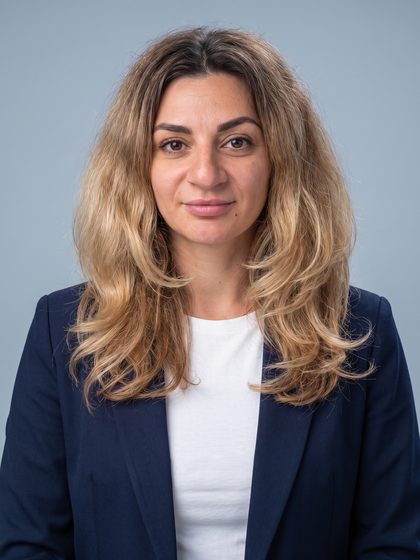
The program at the FAVOR center is run by chemical dependency counselors and a psychotherapist. The network of centers is headed by Iryna Vasylenko, an addiction specialist. Education, positions and experience are listed as confirmed by the clinic.
How we keep it confidential
Contacting FAVOR is confidential. You can describe the situation by phone without giving the person’s surname. We don’t share data from website requests with third parties.
- A loved one can call without naming the person in question.
- We give the center’s address by phone, not on the website.
- How form data is processed: see the “Privacy policy”.
What families can do
Family members can’t go through rehabilitation for their loved one, but they can make it possible: talk without fighting, prepare for the consultation and not face the problem alone. You can talk to a specialist right now, even if the person is refusing for the time being.
- Talk when the person is sober and calm, not right after using.
- Speak about your feelings and the facts, without labels or threats.
- Offer something specific: call together or come to a consultation together.
- Don’t take on their debts or make promises for them to “rescue” the situation.
- Write down what you know: which substances, for how long, what illnesses and medications. It will be needed at the consultation.
- FAVOR offers separate psychological help and family sessions for loved ones.
Your loved one’s addiction is not your fault. Take care of yourself too: the people nearby need support as well.
Frequently asked questions about drug addiction rehabilitation
-
How much does drug rehab cost in Kyiv?
A month of rehabilitation at the FAVOR center costs from 25,000 UAH. If inpatient detox is needed first, it’s billed separately: from 3,500 UAH per day. We quote the exact amount after the consultation. Advice by phone is free.
-
How long does drug addiction rehabilitation last?
The state standard describes a short program of 28 days to 3 months and a long one of 3 to 6 months. The length is chosen based on the person’s condition and goals.
-
Is detox required first?
If the person is using now or has withdrawal symptoms, yes. Rehabilitation is work with a psychologist and counselors, and it isn’t possible in an acute state. Detox is done by doctors: as an inpatient or at home, if the person’s condition allows.
-
Can someone be sent to rehabilitation against their will?
No. Under the state standard, rehabilitation is provided only on a voluntary basis, with the person’s informed consent. There is no coercion at FAVOR. Family members can come to a consultation on their own and learn how to talk to their loved one.
-
Is a relapse after rehabilitation dangerous?
Yes, it can be. The WHO lists returning to use after a long break, including after detox or the end of treatment, among the risk factors for opioid overdose. That’s why a relapse plan is drawn up before discharge, and families are told the signs of overdose. If the person is unconscious and breathing poorly, call 103.
-
Does rehabilitation guarantee recovery?
No. No specialist can guarantee the result. Addiction often comes back, and that doesn’t mean it was all for nothing. Support after the program helps spot danger in time and get back to working with a specialist.
-
Where is the center located?
The FAVOR rehabilitation center is in Kyiv. We’ll give you the address by phone. If you’d like to come and see it, we’ll arrange a time. Phone numbers are on the “Contacts” page.
Who signed off and what it’s based on
Author
Medical reviewer
- Published
- Updated
- Medically reviewed
Other help
-
 — Inpatient detox
Inpatient detox

-
 — Detox at home
Detox at home
-
 — 28-Day Program
28-Day Program
-
 — Aftercare support
Aftercare support
-
 — Drug aversion therapy (“coding”)
Drug aversion therapy (“coding”)
Call us, even if your loved one isn’t ready yet
Tell us what’s going on. We’ll suggest where to start: detox, a consultation for the family or the program at the center. You can call any time, day or night, and the call is anonymous.