
Gambling addiction rehabilitation at a glance
Gambling addiction (also called ludomania) is when a person loses control over gambling and keeps playing even though it harms their finances, work and relationships. Rehabilitation helps them understand what keeps them gambling and regain control over money and their relationships with family. It starts with a consultation.
- from 1,000 UAH, free by phone
When to seek help and what to do first
It’s worth seeking help when a person can’t stop in time, gambling pushes other things aside, and they keep playing despite debts and arguments. This is how the International Classification of Diseases (ICD-11) describes gambling disorder. A doctor makes the diagnosis, but you can ask for advice as soon as something worries you.
Signs it’s time to seek help
- The person gambles longer and for bigger sums than planned and can’t stop
- Gambling has become more important than work, sleep, family or old hobbies
- They keep gambling despite debts, loans or problems at work
- They try to “win it back” after losing
- They hide how much they gamble and lose, and borrow money
- They become irritable or anxious when they can’t gamble
What needs attention first
- Thoughts of suicide or a feeling that there’s no way out
- Besides gambling, the person misuses alcohol or other substances
- Prolonged low mood, insomnia, panic attacks
- Large debts, threats from creditors, risk of losing their home
When a doctor is needed first
If gambling comes with depression, suicidal thoughts or addiction to alcohol or other substances, help from a psychiatrist or addiction doctor is needed first or at the same time. In Ukraine, medical care for gambling addiction is described in Clinical Protocol No. 1201 of the Ministry of Health.
When to call 103 or 112
Debts and shame over gambling can drive people to despair. The WHO cites data showing that people with gambling disorder have a much higher risk of suicide. If a life is in danger, call an ambulance first.
- the person talks about suicide or says “everyone would be better off without me”;
- they are saying goodbye, giving things away, writing farewell messages;
- they are looking up ways to kill themselves;
- they have already harmed themselves;
- they are highly agitated or panicking and can’t calm down;
- they are using alcohol or other substances along with any of the above.
Don’t leave the person alone, and remove dangerous objects if you can do so safely. If creditors are threatening the family, call 102. When there is no immediate danger, free psychological support lines are listed on the website of the “Ty yak?” (How are you?) program: howareu.com.
How help for gambling addiction begins
Help for gambling addiction starts with a conversation: what’s happening with gambling, how much debt there is, how the person and their family are feeling. Then a specialist suggests a plan. The main work is done by the psychotherapist and the person themselves, and whether medication is needed is up to a doctor.
-
Call
Tell us what the person gambles on and for how long, whether there are debts, and whether they’ve tried to stop. You don’t have to give names. Family members can call, and they’ll also get advice on what to do.
-
Consultation
The specialist asks about gambling, finances, mood, sleep, alcohol use and the family situation. A consultation at the center costs from 1,000 UAH.
-
Plan
Together you agree on the format and length of the work. Rehabilitation begins only with the person’s voluntary consent.
-
Work with a psychotherapist
The person learns to notice what pushes them to gamble and to stop. Money is discussed separately: how to limit access to it during recovery and how to start dealing with debts.
-
Support after the program
After the main work, it’s important that the person isn’t left on their own: consultations, groups, a plan in case of relapse. How this works at FAVOR is described on the “Aftercare support” page.
What gambling addiction rehabilitation usually includes
The WHO names long-term cognitive behavioral therapy and motivational interviewing among the most effective approaches for gambling disorder. Mutual support groups are common, though there is less evidence for them. Below is what a program usually includes.
- Individual psychotherapy: what keeps the person gambling, how to cope with stress without betting.
- Motivational conversations that help the person decide for themselves what they want.
- Financial safety: who temporarily manages the money, how to cut off access to loans and online casinos.
- Family work: how to rebuild trust and agree on rules about money.
- Relapse prevention: what to do when the urge to bet hits.
- In Ukraine, you can voluntarily restrict your own access to gambling through a state register.
How much help for gambling addiction costs
The first phone conversation is free. A consultation at the center costs from 1,000 UAH. The program price depends on its format and length; we quote it after the consultation.
| Service | What’s included | Price |
|---|---|---|
| Consultation at the center | A talk about gambling, finances, wellbeing and family; a plan for next steps | from 1 000 UAH |
Who can work with gambling addiction
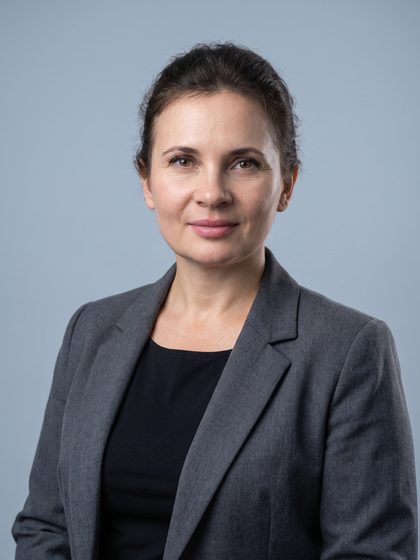
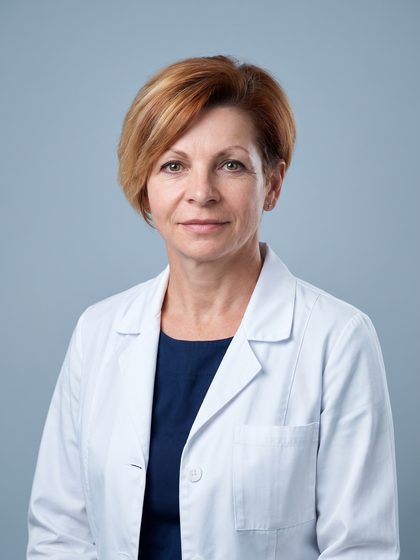
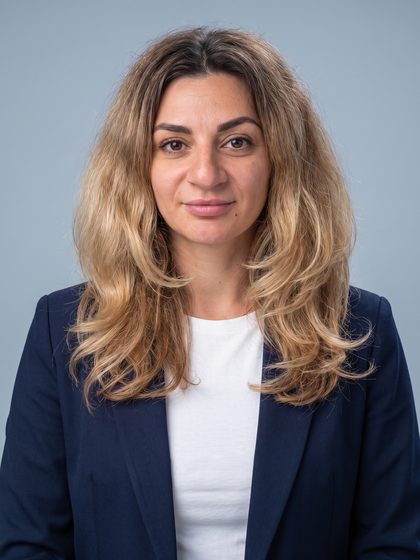
Iryna Vasylenko holds a master’s degree in psychology, is an addiction specialist, and works with different types of addiction and with family support. Lesia Koretska is a psychotherapist who works with emotional crises, anxiety, codependency and family therapy.
How we keep it confidential
Contacting FAVOR is confidential. You can describe the situation by phone without giving a surname. We don’t share data from website requests with third parties, including banks and creditors.
- A loved one can call without naming the person in question.
- We give the center’s address by phone, not on the website.
- How form data is processed: see the “Privacy policy”.
What families can do when a loved one is losing money
Gambling addiction hits the whole family: money, trust, peace of mind. Family members can’t force a person to quit, but they can protect themselves and the family budget, and talk to a specialist without waiting for their loved one to agree.
- Talk calmly when the person isn’t gambling and hasn’t just lost.
- Don’t shame them or call them a “gambling addict.” Talk about facts: amounts, debts, your feelings.
- Don’t secretly pay off their debts or take out loans to “bail them out one last time.” Get advice first.
- Protect shared money: separate accounts, card limits, passwords the person doesn’t know.
- Offer something specific: call together or come to a consultation together.
- If the person talks about suicide, don’t leave them alone and call 103.
What’s happening is not your fault. You need support too, and asking for it is normal.
Frequently asked questions about gambling addiction
-
Is gambling addiction an illness or a bad habit?
Gambling disorder is included in the International Classification of Diseases (ICD-11). In Ukraine, medical care for it is described in the Ministry of Health clinical protocol “Gambling addiction (ludomania).” So it’s a condition specialists work with, not a matter of willpower.
-
How can I tell if someone is addicted to gambling?
The main signs are that the person can’t control how much and how long they gamble, gambling pushes other things aside, and they keep playing despite debts and arguments. Attempts to “win it back,” lies about money and borrowing are common. A doctor makes the diagnosis, but you can ask for advice right now.
-
Does rehabilitation help with gambling addiction?
No specialist can guarantee the result. The WHO names long-term cognitive behavioral therapy and motivational interviewing among the most effective approaches. What exactly will be offered in your case becomes clear after the consultation.
-
Can I make a loved one get treatment for gambling addiction?
No. Rehabilitation begins only with an adult’s voluntary consent. Family members can come to a consultation on their own: the specialist will suggest how to talk to your loved one and how to protect family money.
-
What should we do about the debts?
Don’t pay them off secretly or take out new loans to settle them. Make a list: who is owed, how much, and by when. If the family is being threatened, call 102.
-
Does FAVOR work with gambling addiction?
Call and tell us about the situation: even if different help is needed, we’ll tell you where to turn.
Who signed off and what it’s based on
Author
Medical reviewer
- Published
- Updated
- Medically reviewed
Other help
-
 — Aftercare support
Aftercare support

-
 — Alcohol addiction rehabilitation
Alcohol addiction rehabilitation
-
 — Drug addiction rehabilitation
Drug addiction rehabilitation
-
 — 28-Day Program
28-Day Program
Tell us what’s going on
We’ll listen without judgment and suggest where you or your loved one can start. You can call any time, day or night. You don’t have to give names.