
FAVOR inpatient addiction clinic
Inpatient care means treatment at the clinic with doctors and nurses supervising around the clock. People are admitted to come off a drinking binge, go through drug detox, or prepare for rehabilitation when doing this at home is unsafe or isn’t working.
The inpatient addiction clinic in brief
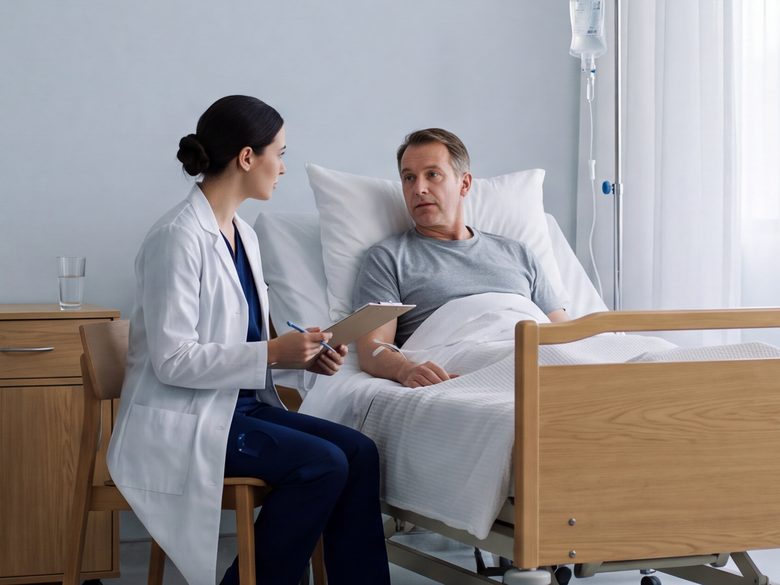
The FAVOR inpatient addiction clinic is a set of rooms at the clinic where a person with alcohol or drug addiction is treated under medical supervision day and night. Inpatient care covers alcohol withdrawal treatment, detox, and stabilization before further treatment. Admission is strictly voluntary. A day costs from 3,500 UAH.
- Adults with addiction to alcohol, drugs, or several substances
- 24/7
- We give the address by phone. Clinic contact details are on the Contacts page.
- from 3,500 UAH per day
Who needs an inpatient addiction clinic
An inpatient addiction clinic is for people who can’t be treated safely at home: because of the risk of complications, mixed substance use, serious illnesses, or no one to look after them. If the person’s condition is stable and loved ones are nearby, help at home is often enough. A doctor decides what suits you after an examination; by phone, they can only advise.
When help at home is enough
- The person is conscious, calm, and agrees to treatment
- Past withdrawal didn’t involve seizures or hallucinations
- There is no serious heart, liver, or kidney disease, or diabetes
- An adult is nearby to look after the person
- There is no access to alcohol or the substance at home
When inpatient care is needed
- Past withdrawal involved seizures, delirium, or confusion
- The person has used opioids for a long time or several substances at once
- The person has serious chronic illnesses that may flare up
- The person lives alone, and there is no one to look after them
- Staying sober at home isn’t working: alcohol, the substance, or old company is close at hand
- The person has already had IV drips at home but hasn’t improved
Who is not admitted to the inpatient addiction clinic
An inpatient addiction clinic does not replace intensive care or a general hospital. A person with an acute injury, bleeding, heart attack, or stroke is taken to a hospital by ambulance first. A doctor decides after an examination whether FAVOR can admit a patient with other serious illnesses.
When to call 103, not us
Some conditions mean you should not bring the person to the clinic yourself: they need an ambulance. If you notice anything on this list, call 103 first. You can call us afterwards.
- the person is unconscious or cannot be woken up;
- breathing is slow, raspy, or has pauses;
- pupils are pinpoint and the person does not respond;
- seizures have started;
- the person does not recognize loved ones, or sees or hears things that are not there;
- chest pain or pressure;
- vomiting blood or dark material that looks like coffee grounds;
- the person talks about suicide or threatens to harm themselves.
While you wait for the ambulance, stay close. If the person is lying down and vomiting, turn them on their side.
How admission to the inpatient unit works
Admission to the FAVOR inpatient addiction clinic starts with a phone call, not with turning up unannounced. During the call, we’ll tell you whether inpatient care is suitable and give you the address and a time. Then comes the examination, consent to treatment, a few days in a room, and discharge with a plan for what comes next.
-
The call
Tell us what’s happening: what the person has used and for how long, what illnesses they have and what medications they take. We’ll explain whether admission makes sense, give the address, and agree on a time. Family members can call too.
-
Arrival and examination
The doctor examines the patient, asks about substance use and illnesses, and checks blood pressure and pulse. If inpatient care is not needed or not suitable, the doctor will explain why and suggest another option.
-
Consent and documents
The patient personally consents to treatment and signs a consent form.
-
Treatment in the room
The doctor prescribes treatment, and nurses monitor the patient’s condition day and night. Once the acute state passes, the patient gets back to normal sleep and eating. A psychologist or addiction counselor talks with them if the patient wishes.
-
Discharge
Before discharge, the doctor explains how the person will feel over the next few days and what to do next: the 28-Day Program, rehabilitation, or support after treatment.
How much the inpatient addiction clinic costs
A day at the FAVOR inpatient addiction clinic costs from 3,500 UAH. The total depends on the number of days and the treatment the doctor prescribes. The doctor gives the exact cost after an examination, before treatment begins.
| Service | What’s included | Price |
|---|---|---|
| A day in the inpatient unit | A room, 24/7 supervision, and the treatment prescribed by the doctor. | from 3 500 UAH |
| Consultation with an addiction doctor at the clinic | Examination and advice before admission. Phone consultations are free. | from 1 000 UAH |
Who works at the inpatient unit
Treatment at the FAVOR inpatient unit is prescribed by an addiction medicine physician and a psychiatrist and addiction specialist. Categories and years of experience are listed as confirmed by the clinic.
How confidentiality is protected at the inpatient unit
Treatment at the FAVOR inpatient unit is confidential: only the patient, the medical staff, and the people the patient agrees to inform know who is staying at the clinic. We don’t tell relatives or acquaintances that the patient is here without their consent.
- You can call on someone else’s behalf without giving their name.
- We don’t publish the inpatient unit’s address on the website; we give it out by phone.
- How form data is processed: see the Privacy policy.
What to bring to the inpatient unit
For an inpatient addiction clinic, you bring the same things as for any hospital: documents, medications the person takes regularly, clothes, and toiletries. Alcohol, drugs, and medications the doctor does not know about are not allowed in the room. Check the exact list and what is prohibited when you call.
- Hospital discharge papers and test results, if any.
- Medications the person takes regularly, in their original packaging. Show them to the doctor.
- Comfortable clothes to change into, slippers, underwear.
- Toothbrush, toothpaste, soap, razor, and other toiletries.
If the person is being brought in urgently and there was no time to pack, that’s fine: things can be dropped off later. The clinic will tell you how.
Frequently asked questions about the inpatient addiction clinic
-
How much does a day at the inpatient addiction clinic cost?
A day at the FAVOR inpatient unit costs from 3,500 UAH. The total depends on the number of days and the prescribed treatment. The doctor gives the exact amount after an examination.
-
Where is the inpatient unit located?
We give the inpatient unit’s address by phone when arranging admission. The clinic’s phone numbers are on the Contacts page.
-
What are the rooms like?
We’ll describe the conditions here once the clinic updates its photos. For now, ask about them when you call.
-
Can I visit the patient?
In the first days, while acute withdrawal lasts, the doctor may ask you to hold off on visits for a while. Family members are told about the patient’s condition only with the patient’s consent.
-
Can a person be admitted without their consent?
No. An adult consents to treatment on their own, and FAVOR does not admit anyone against their will. Family members can call for advice on how to suggest treatment. If the person’s life is at risk, call 103.
-
Can a patient leave the inpatient unit early?
Yes, the patient can refuse treatment at any time. The doctor will explain the risks if the acute state has not yet passed and suggest another option.
-
What is a day at the inpatient unit like?
In the first days, the patient mostly rests and receives IV drips and medications while medical staff monitor their condition. Once the acute state passes, there is time for conversations with the doctor and psychologist.
-
What happens after discharge?
Inpatient care helps the person get through the acute state, but the addiction does not go away afterwards. International guidelines (WHO, UNODC, NIDA) recommend continuing treatment after detox. The doctor will suggest options: the 28-Day Program, rehabilitation, or support after treatment.
Who signed off and what it’s based on
Author
Medical reviewer
- Published
- Updated
- Medically reviewed
Other help
-
 — Inpatient alcohol withdrawal treatment
Inpatient alcohol withdrawal treatment

-
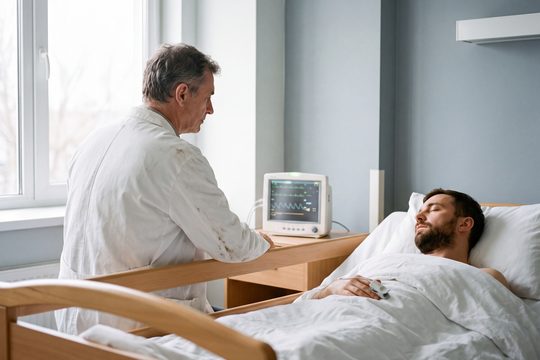 — Inpatient detox
Inpatient detox
-
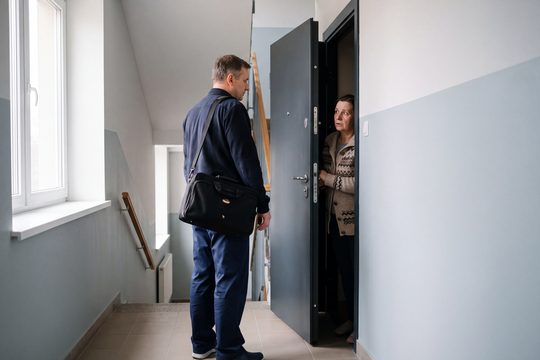 — Home visit by an addiction doctor
Home visit by an addiction doctor
-
 — 28-Day Program
28-Day Program
-
 — Alcohol addiction rehabilitation
Alcohol addiction rehabilitation
Ask about inpatient care before you decide
We’ll tell you about the rooms, rules, and cost, and give you the address. The doctor will advise whether inpatient care is needed right now. You can call any time, day or night, and the call is anonymous.