
Inpatient detox: alcohol and drugs
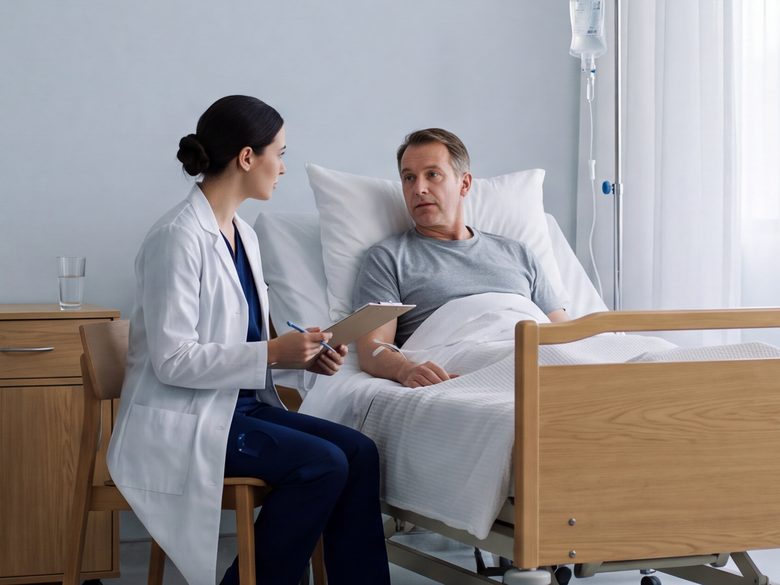
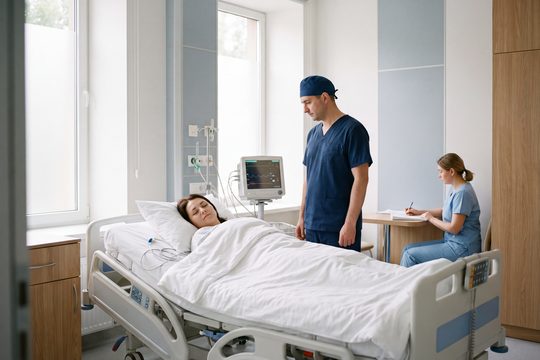
Inpatient detox treats withdrawal syndrome under medical supervision when someone stops using opioids, stimulants, alcohol or several substances at once. The patient stays in a ward, and medical staff monitor their condition around the clock.
Inpatient detox at a glance
Detox is the first stage of help for a person with addiction: doctors relieve the acute symptoms of withdrawal while the body adjusts to going without the substance. At FAVOR’s inpatient unit this happens in a ward, with monitoring day and night. Detox does not treat the addiction itself, so afterwards the doctor discusses further treatment with the patient. A day in the inpatient unit costs from 3,500 UAH.
- Opioids, stimulants, alcohol, mixed use
- The FAVOR clinic’s inpatient unit. We’ll give you the address by phone.
- Depends on the substance and condition.
- 24/7.
- from 3,500 UAH per day
When detox is better done as an inpatient
Inpatient care is needed when withdrawal may be severe or unpredictable: after long-term opioid use, with mixed use, when the person took sleeping pills or alcohol along with drugs, or with psychosis or suicidal thoughts. The Ministry of Health standard on opioids provides for withdrawal treatment in a healthcare facility, with daily medical supervision.
Sometimes possible at home when
- Use was short-term, and past withdrawal was mild
- The person is conscious, calm and agrees to treatment
- There is no serious heart, liver or kidney disease, or epilepsy
- An adult can stay with them the whole time
The doctor will most likely recommend inpatient care when
- The person has used opioids for a long time
- They used several substances at once, including with alcohol or sedatives
- After stimulants, the person has become fearful or suspicious, or has hallucinations
- The person is depressed and talks about death or suicide
- Past withdrawal involved seizures or confusion
- The substance is within reach at home, and they can’t resist using
When detox is not done or is postponed
Opioid detox is not done during pregnancy: the Ministry of Health standard recommends other treatment. If the person has an acute, life-threatening condition, they first need an ambulance and a hospital. The doctor checks the full list of contraindications at the exam.
Signs of overdose: call 103
Opioid overdose has three main signs: the person is unconscious, breathes slowly or makes rasping sounds, and the pupils are pinpoint (WHO). After stimulants, the danger signs are chest pain, high fever and severe agitation. If you see anything on this list, call an ambulance right away.
- the person doesn’t respond to voice or touch;
- breathing is slow, raspy, has pauses or can’t be heard;
- lips or nails have turned blue;
- pupils are pinpoint;
- seizures have started;
- chest pain or pressure, very rapid heartbeat;
- high fever, the person is very agitated, aggressive or sees things that aren’t there;
- the person talks about suicide or threatens to harm themselves.
Don’t leave the person alone. If they are breathing but unconscious, lay them on their side. The 103 dispatcher will tell you what to do until the crew arrives.
How inpatient detox works
Inpatient detox has five stages: a call, an exam, withdrawal treatment, recovery and a plan for after discharge. The approach differs for opioids, stimulants and alcohol, so the doctor sets the plan after the exam. How long each stage takes depends on the substance, how long it was used and the person’s health.
-
Call
Tell us what the person took and for how long, when they last used, whether there have been overdoses, what illnesses they have and what medications they take. If you don’t know something, that’s fine. We’ll tell you whether inpatient care is needed and give you the address.
-
Exam
The doctor talks to the patient, examines them and assesses the severity of withdrawal and the risks. After the exam, the doctor explains the treatment plan and the estimated length of stay.
-
Withdrawal treatment
The doctor prescribes medication and IV drips that ease withdrawal symptoms: pain, insomnia, anxiety, nausea. It isn’t always possible to relieve the discomfort completely, but medical staff help the patient get through it. We don’t list drug names on the website.
-
Recovery
Once the acute phase passes, the patient gets their sleep and eating back on track. This is a time to think about what to do next.
-
A plan for after discharge
After detox, the risk of overdose is higher than before: the body has lost its tolerance to the usual dose. The doctor explains how to avoid this and offers further treatment: the 28-Day Program, rehabilitation or outpatient support.
How much inpatient detox costs
Inpatient detox costs from 3,500 UAH per day. The total depends on the substance, the severity of withdrawal and the number of days at the clinic. The doctor quotes the exact cost after the exam, before treatment begins, and tells you if the plan changes.
| Service | What’s included | Price |
|---|---|---|
| A day in the inpatient unit | Ward, 24-hour monitoring and the treatment prescribed by the doctor. | from 3 500 UAH |
| Addiction doctor consultation at the clinic | Exam and treatment plan before admission. Phone consultations are free. | from 1 000 UAH |
Who performs detox
Detox at FAVOR’s inpatient unit is prescribed and supervised by addiction doctors. Categories and years of experience are listed as confirmed by the clinic.
Can I go through detox anonymously?
Detox at FAVOR is confidential. People who have used drugs are most often afraid that their employer or the police will find out. Doctors are bound by medical confidentiality.
- You can call on someone else’s behalf without giving their name.
- How form data is processed: see the “Privacy policy”.
What families can do
Family members can’t replace a doctor during detox, but they can help the person get to one. An adult consents to treatment on their own; no one is admitted without consent. It’s better to talk calmly, without threats, and to know in advance whom to call.
- Don’t try to make the person “sweat it out” at home locked in a room. It’s dangerous.
- Don’t give sleeping pills, painkillers or alcohol to ease withdrawal.
- Write down what the person took, for how long and when they last used. It will help the doctor.
- Bring any hospital discharge summaries and the medications the person takes regularly.
- What to bring to the inpatient unit: see the list on the inpatient clinic page.
- Learn the signs of overdose from the list above and be ready to call 103.
- If the person refuses, call us yourself: the doctor will advise on how to continue the conversation.
Families need support too. If you’re struggling, mention it during the call: you can talk to a psychologist.
Frequently asked questions about inpatient detox
-
How much does inpatient detox cost?
A day in FAVOR’s inpatient unit costs from 3,500 UAH. The total depends on the substance, the severity of withdrawal and the number of days. The doctor quotes the exact cost after the exam, before treatment begins.
-
How many days does detox take?
It depends on the substance, the dose, how long it was used and the person’s general condition. Withdrawal from opioids, stimulants and alcohol runs differently. The doctor gives an estimated length after the exam.
-
Do you do detox after mephedrone, amphetamine or “bath salts”?
Yes, we do detox after stimulants as an inpatient. This kind of withdrawal more often brings severe fatigue, insomnia, anxiety and low mood, sometimes suicidal thoughts. So the doctor pays attention to the person’s mental state. The Ministry of Health standard recommends psychosocial treatment afterwards: consultations and group work.
-
Will there be withdrawal pain during detox?
Withdrawal may be felt, but the doctor prescribes medication that reduces pain, insomnia and anxiety. It isn’t always possible to eliminate symptoms completely, and we can’t honestly promise that. Medical staff are nearby around the clock and adjust treatment if things get worse.
-
How is detox different from addiction treatment?
Detox relieves the acute symptoms of withdrawal but doesn’t remove cravings for the substance. The Ministry of Health standard states directly that detox alone rarely leads to lasting sobriety, so it is followed by longer treatment and support. After discharge, the doctor will suggest options: the 28-Day Program or rehabilitation.
-
Can detox be done at home?
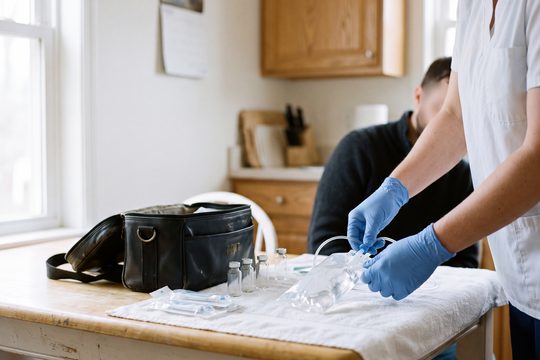
Sometimes, if use was short-term and the condition is stable. For that there is detox at home. After long-term opioid use, with mixed use or psychosis, it’s safer to be treated as an inpatient. The doctor will tell you after the exam what’s best in your case.
-
Will I be put on a registry, and will the police find out?
FAVOR doctors are bound by medical confidentiality.
-
Why is it dangerous to use again after detox?
After a few days without the substance, the body loses tolerance to the usual dose. If the person goes back to using, their former dose can cause an overdose. That’s why the Ministry of Health standard requires that after opioid detox the patient be told what to do in case of overdose. A FAVOR doctor talks about this before discharge.
Who signed off and what it’s based on
Author
Medical reviewer
- Published
- Updated
- Medically reviewed
Other help
-
 — Detox at home
Detox at home

-
 — Inpatient addiction clinic
Inpatient addiction clinic
-
 — Ultra-rapid opioid detoxification (UROD)
Ultra-rapid opioid detoxification (UROD)
-
 — Drug addiction rehabilitation
Drug addiction rehabilitation
-
 — 28-Day Program
28-Day Program
Tell us what’s going on, and we’ll suggest where to start
A doctor will ask what the person took and for how long, and tell you whether inpatient care is needed. The call is anonymous, and you can call any time, day or night. Family members can call too.