



Aftercare support at a glance
Aftercare support is help after a person has finished the main program and returned home. At FAVOR it includes psychologist consultations, group meetings, family work and an action plan in case of relapse. The goal is to spot danger in time and not face it alone.
- People who have completed rehabilitation, and their families
- from 1,000 UAH, free by phone
Who aftercare is for, and when other help is needed
Aftercare support is for a person who has finished a program and lives at home, and for their family. If a relapse has happened and the person has been drinking or using again for several days, one talk with a psychologist isn’t enough: medical help comes first, and then a return to work with specialists.
Aftercare is a good fit when
- The person has finished a rehabilitation program and returned home
- The first weeks at home are hard: old habits pull them back, and there’s no routine
- Anxiety, insomnia or family conflicts are coming back
- There was a one-off relapse, and the person wants to get back to sobriety
- The family doesn’t know how to act after discharge
Medical help comes first when
- After a relapse, the person has been drinking or using for several days in a row
- Withdrawal symptoms have appeared: shaking, sweating, insomnia, pain
- The person is confused, hallucinating or severely agitated
- The person has thoughts of suicide
If a relapse has already happened
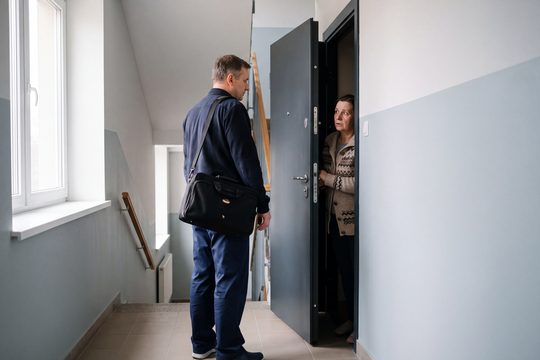
A relapse is no reason to feel ashamed or hide. Call us: together we’ll assess the situation and decide what’s appropriate: a home visit by an addiction doctor, inpatient care or a return to consultations.
When to call 103
The WHO lists returning to opioid use after a long break among the risk factors for overdose. If someone’s life is at risk, call an ambulance first.
- the person is unconscious or can’t be woken up;
- breathing is very slow, raspy or has pauses;
- pupils are very small and the person doesn’t respond;
- seizures have started;
- chest pain or pressure;
- the person talks about suicide or threatens to harm themselves.
Don’t leave the person alone. If they are lying down and vomiting, turn them on their side. When there is no immediate danger but suicidal thoughts won’t go away, free psychological support lines are listed on the website of the “Ty yak?” (How are you?) program: howareu.com.
How support after discharge works
Aftercare support at FAVOR begins before discharge: a plan for the first weeks at home is drawn up together with the person. Then come consultations, groups and family sessions. How often and for how long is agreed individually.
-
A plan before discharge
Together with a specialist, the person writes down what is risky for them, which signs show a relapse is approaching, and whom to call. They take this plan home.
-
The first weeks at home
The hardest period: old places, people, habits. The person goes back to work or study and rebuilds a routine.
-
Psychologist consultations
Regular sessions where the person can honestly say what’s going on and work through difficult situations together. A consultation at the center costs from 1,000 UAH.
-
Groups
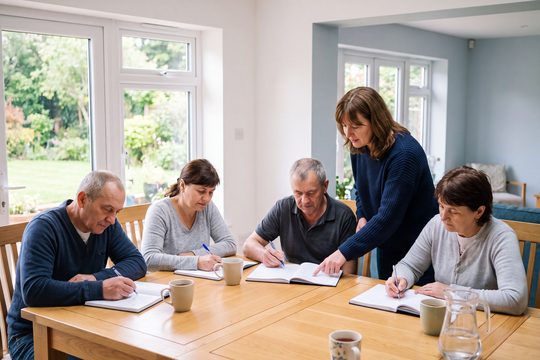
Meetings of people who have also completed rehabilitation. They share experience and what helps them stay on track.
-
Family work
Joint sessions with a psychotherapist help rebuild trust and agree on new rules at home. Family members can also come on their own.
What goes into a relapse plan
A relapse plan is an agreement on what to do when things get dangerous. It’s drawn up in advance, while the person is calm. Ukraine’s state standard for social and psychological rehabilitation calls this work relapse prevention and managing high-risk situations.
- Personal triggers: places, people, dates and states that bring on the urge to drink or use.
- Early warning signs: insomnia, irritability, “just once is fine,” meeting old acquaintances.
- What to do in the first minutes: leave the situation, call someone, don’t stay alone.
- Whom to call: a counselor, a loved one, the center’s on-call number.
- When a doctor is needed rather than a talk, and where to go.
- What family members do if they notice signs of relapse, and what they don’t do.
How much aftercare support costs
The cost of support depends on how often the person attends consultations and groups. A consultation at the center costs from 1,000 UAH; a phone conversation is free. Prices for group and family sessions are being confirmed.
| Service | What’s included | Price |
|---|---|---|
| Consultation at the center | A session with a psychologist or counselor, working through difficult situations | from 1 000 UAH |
Who leads consultations and groups
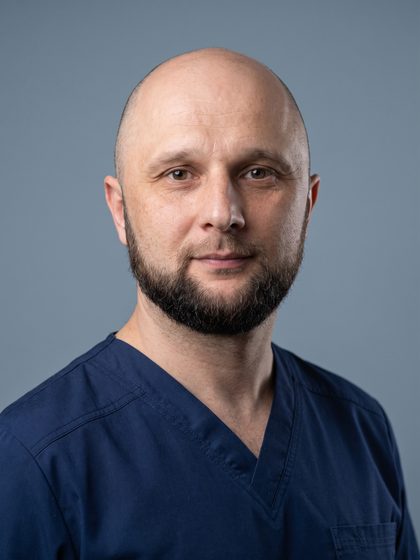
After discharge, FAVOR’s psychotherapist and chemical dependency counselors work with the person and their family. Education, positions and experience are listed as confirmed by the clinic.


How we keep it confidential
Contacting FAVOR is confidential. You don’t have to give a surname on the phone. We don’t share data from website requests with third parties.
- A loved one can call without naming the person in question.
- We give out the address for consultations and groups by phone.
- How form data is processed: see the “Privacy policy”.
How families can help after discharge
After discharge, families want to control everything, and that’s understandable. But calm, clear agreements and honest conversations help more. Here’s what to do and what’s better to avoid.
- Agree in advance on what you’ll do if you notice signs of relapse.
- Remove alcohol from the house and don’t offer a “symbolic” drink on holidays.
- Don’t secretly check their phone or pockets: it destroys the trust you’ve only just started to rebuild.
- Notice what’s going well, not just the mistakes.
- If a relapse happens, don’t shout or shame. Help them call a specialist.
- Attend family sessions: the whole family needs to change, not just one person.
Take care of yourself too. After long months of strain, families get tired as well, and you may need a psychologist’s consultation yourself.
Frequently asked questions about aftercare support
-
Why is support needed if the person has already completed rehabilitation?
Addiction often comes back, especially in the first months at home, when the person is back in their old surroundings. NIDA describes addiction as a condition in which relapses are possible, and long-term support helps spot them in time. Regular sessions with a specialist give the person a place where they can honestly say they’re struggling.
-
How long does aftercare support last?
It depends on the person and how the months after discharge go. If things get hard, you can call for advice at any time, free of charge.
-
Can I come if I did rehabilitation somewhere other than FAVOR?
You can call for advice in any case, free of charge.
-
What should I do if a relapse has happened?
Don’t hide; call us. One relapse doesn’t cancel out all the work done before. If the person has been drinking or using for several days, medical help is needed first: a home visit by an addiction doctor or inpatient care. If the person is unconscious or having trouble breathing, call 103.
-
Can I have consultations online?
You can call for advice free of charge, 24/7.
-
Does support guarantee there won’t be a relapse?
No. No specialist can guarantee that. Support helps spot danger earlier, have a plan, and not face it alone.
Who signed off and what it’s based on
Author
Medical reviewer
- Published
- Updated
- Medically reviewed
Other help
-
 — Alcohol addiction rehabilitation
Alcohol addiction rehabilitation

-
 — Drug addiction rehabilitation
Drug addiction rehabilitation
-
 — Home visit by an addiction doctor
Home visit by an addiction doctor
-
 — 28-Day Program
28-Day Program
-
 — Alcohol aversion therapy (“coding”)
Alcohol aversion therapy (“coding”)
Struggling after discharge? Call us
Tell us what’s going on. We’ll tell you whether a consultation is enough or other help is needed. You can call any time, day or night. A loved one can call too, anonymously.