
Author
Drug Detox: Stages and What to Expect
Drug detox is medical care that helps a person get through withdrawal from a substance under a doctor’s supervision: assessment, stabilization, and relief of symptoms. The acute period lasts from a few days to two weeks. Detox does not cure addiction — it is the first step before treatment and rehabilitation.
9 min read
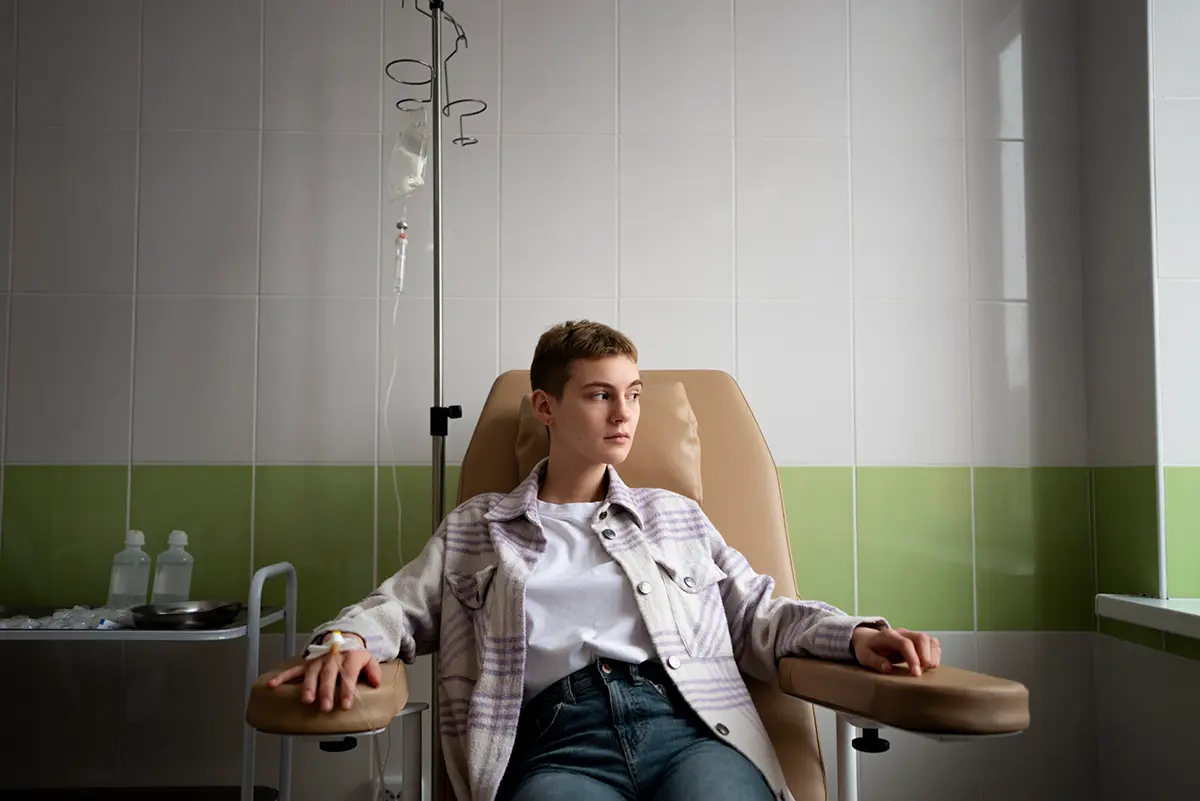
Families of someone who needs detox usually ask the same questions: “Will it hurt a lot? Will they tie him down? How long does it take?” Many have read about withdrawal online, where it is made to sound like a punishment. In reality, detox is a medical procedure, not an ordeal. Its goal is not to make a person “suffer through it” but to get them safely through the most acute period and to the point where further work becomes possible.
What is drug detox and why is it needed?
With regular use, the body and brain adapt to the presence of a substance. When it stops coming in, withdrawal syndrome develops: the body and mind react strongly, and sometimes dangerously. Detox does not “flush out” addiction, as people sometimes believe. It helps a person get through this period more safely, with fewer complications and a lower risk of going straight back to using because the state is unbearable.
Doctors see detox as the first stage, after which actual treatment begins. What happens next, on the way from the acute phase to stable remission, is described on the drug addiction rehabilitation page.
Is withdrawal the same for all substances?
No. How withdrawal unfolds and what to watch out for depends on the type of substance. Here is a general overview, with no instructions for self-treatment.
| Substance group | Typical withdrawal symptoms | What doctors watch for most closely |
|---|---|---|
| Opioids | Marked physical discomfort, aches, nausea, diarrhea, insomnia, anxiety | Dehydration, exhaustion, very high likelihood of a quick relapse |
| Stimulants | Sharp drop in energy, low mood, excessive sleepiness or insomnia, irritability | Depressive states, anxious and dangerous thoughts, psychotic disorders |
| Cannabis | Irritability, anxiety, poor sleep, reduced appetite | Long-lasting sleep and mood problems |
| Sedatives | Tremor, anxiety, sleep problems, high blood pressure | Seizures: stopping abruptly can be life-threatening |
| Synthetic psychoactive substances | Unpredictable symptoms, from exhaustion to agitation and hallucinations | Psychotic states; the composition of the substance is unknown |
This is why the initial assessment matters so much: the doctor needs to understand what exactly the person was using, for how long and in what combinations, and only then decide on the right support. We covered the signs that may point to drug use in the article “Signs of Drug Addiction: How to Recognize Them”.
How detox works: the stages
The exact course depends on the patient’s condition, but in general terms it looks like this.
- Initial consultation and examination. The doctor asks about the substances, how long they were used, the last dose, other illnesses and medications. They check blood pressure, pulse, consciousness and overall condition.
- Deciding on the type of care. Depending on the risks, the doctor decides what kind of care is needed and whether 24/7 inpatient supervision is necessary.
- Stabilization. Supporting vital functions, restoring fluid and electrolyte balance, assessing the liver, heart and other organs, and correcting any problems found.
- Relieving withdrawal symptoms. The doctor helps reduce anxiety, normalize sleep and ease physical discomfort. Medications are always chosen individually.
- Psychiatric monitoring. Special attention is paid to mood, anxiety, dangerous thoughts and signs of psychotic states.
- Preparing for the next step. Once the acute phase is over, the doctor discusses further treatment and rehabilitation with the patient and their family.
How this is organized at FAVOR is described on the “Inpatient detox” page.
How long does detox last and what does a person feel?
| Period | What usually happens |
|---|---|
| First days | The most acute symptoms: physical discomfort, anxiety, sleep problems, weakness. The closest supervision is needed |
| First to second week | Physical symptoms gradually subside, sleep and appetite return, but mood is still unstable |
| After that | Psychological cravings, irritability and mood swings may persist for a long time. This is exactly when further treatment and support are needed |
These time frames are approximate. They depend on the type of substance, how long it was used, age, the condition of the liver and heart, and other factors. That is why promises to “clean you out in one day” have no medical basis: the substance can be removed from the body quickly, but the nervous system cannot be brought back to normal in a few hours.
Why is detoxing at home without a doctor dangerous?
Families often think: “Maybe we can get through it ourselves and go to a clinic later.” The reasons this is risky are simple.
- No one knows how withdrawal will go. For some it is relatively mild; for others it suddenly becomes complicated, with seizures, psychosis or dangerous swings in blood pressure.
- The composition of the substance is often unknown. This is especially true of synthetic mixtures: their effect on the body and on withdrawal is hard to predict.
- Combinations of substances. If a person used several substances or medications at the same time, the risks add up.
- Relapse after a break is very dangerous. After a few days without the substance, tolerance drops. If a person gives in and goes back to the amount they used before, the risk of a fatal overdose rises.
- Mental state. Severe depression, anxiety and dangerous thoughts may appear during withdrawal. A specialist should be nearby, not just frightened relatives.
A note on the “home regimens” suggested online or by friends: any medication should be chosen only by a doctor who has seen the patient. This article deliberately contains no advice on doses or drugs “for home use.”
Is detox alone enough?
No. After detox the physical danger passes, but the reasons a person started using do not go away. Without further work, the risk of returning to use remains high. That is why detox is combined with treatment and rehabilitation: this helps make the progress last and teaches the person to live without the substance. The difference between the medical stage and rehabilitation is explained in the article “Addiction Clinic vs. Rehabilitation Center: What’s the Difference”.
What should you tell the doctor in the first conversation?
The more accurate the information, the safer the care. It helps to prepare answers to these questions:
- which substances the person used and for how long;
- when they last used;
- whether they have had seizures, psychotic states or overdoses before;
- what chronic illnesses they have and what medications they take;
- whether they have any allergies;
- whether they drank alcohol at the same time.
The doctor does not judge or evaluate the person. They need the full picture to choose safe care.
How can you support a loved one during this period?
The best thing family members can do is avoid confrontations, blame and ultimatums while the person is in an acute state, and calmly help them get to a doctor. Pressure and reproaches usually increase resistance. If the person is afraid of others finding out, show them the article “Anonymous Addiction Treatment: What It Really Means”: it explains how confidentiality is protected.
When is emergency help needed?
If there is even one of these signs, do not wait for an appointment or try to cope on your own. Call 103:
- the person is unconscious or cannot be woken up;
- breathing is slow, irregular, noisy or absent;
- lips or fingertips are turning blue;
- seizures;
- severe agitation, hallucinations, delusions, aggressive behavior;
- chest pain, shortness of breath, a very irregular pulse;
- the person talks about not wanting to live or about intending to harm themselves.
While the ambulance is on its way, do not leave the person alone. If they are unconscious but breathing, lay them on their side. What else to do if you suspect an overdose is described in the article “Signs of Drug Addiction: How to Recognize Them”.
Frequently asked questions
Will it hurt a lot?
Withdrawal is unpleasant, and it is not always possible to remove the discomfort completely. But the doctor’s job is to ease the symptoms, normalize sleep and reduce anxiety, not to make the person “tough it out.” How hard it will be for a particular person depends on the substance, how long it was used and their overall condition.
Can drug detox be done at home with a doctor?
After opioids, sedatives or mixed use, detox is safer in an inpatient setting under 24/7 supervision. At home, a FAVOR doctor performs alcohol detox when there are no contraindications. What suits your situation is decided by the doctor after an examination.
What does the cost of detox depend on?
On the substance, the severity of the condition and how many days the person needs to stay in the inpatient unit. The doctor determines the final scope of care after an examination. Approximate prices are on the “Prices” page.
Does the person need to consent?
Yes. An adult cannot be treated without their informed consent. If they refuse, the doctor will advise the family on how to talk to them and what to do if their condition becomes dangerous.
Is it true that detox “removes” addiction?
No. It helps a person get through the acute withdrawal period, but the addiction itself is treated afterward, with therapy, support and rehabilitation.
How long does the acute period last?
Usually from a few days to two weeks. Psychological cravings and unstable mood can last longer, so treatment does not end there.
This article is for information only and does not replace a consultation with a doctor. Any treatment is carried out only under medical supervision, and the scope of care is determined after an examination. If the condition is acute (loss of consciousness, breathing problems, seizures, hallucinations), call an ambulance at 103.
Author and sources
- Published
- Updated
Related articles


Not sure where to start? Call us
Tell us what’s going on, and we’ll suggest where to start. We answer 24/7. A family member can call too, anonymously.